

Some grains, like quinoa and buckwheat, even qualify as complete proteins, meaning they contain all nine essential amino acids. Unless you’re a plant-powered athlete in training, or otherwise actively trying to build muscle, chances are you won’t really need to supplement your meals with protein powder. The myth that plant-based diets lack sufficient protein has long been disproven. Soy-based foods like tofu are among the most extensively studied plant proteins. Research consistently shows that soy protein supports cardiovascular health, lowers cholesterol, and may even reduce the risk of certain cancers.
Protein: 8 grams in 8-ounces
Tempeh is a soy product made by fermenting cooked soybeans, and it originated in Indonesia. Black beans are a popular bean used in various foods internationally. Just like peanut butter powder and whole peanuts contain a good amount of protein, so does peanut butter.
Kidney beans are one of the most popular legume varieties, and they provide a good source of protein. Mung beans are not as well known as some other beans, but they are among the best legumes for protein content. Despite not being as well known as soybeans, lupin beans are just as good a source of protein. Since soybeans are already high in protein, the defatting process allows TVP to provide even higher amounts. Per 2-tablespoon serving, spirulina offers 8 grams of protein (5). Soy protein isolate is a plant-based protein powder supplement, and it provides a significant amount more protein than ‘soy concentrate’ supplements.
Can Vegans Get Enough Protein to Build Muscle?
French and black lentils keep there shape better when cooking so are best for salads and other stand-alone applications. Red lentils are by far the softest of the lentils and breakdown when cooked. This is why there are often used for Indian dahls and kitchari. Pour it over cereal, blend it into smoothies, or just sip it straight. Spirulina is the ocean’s gift, and with its vibrant color and health benefits, it’s sure to make waves in your diet.
A person can also sprinkle it over salad or snacks to increase their protein content. A person can add hummus, which is made from chickpea paste, to a sandwich for a healthful, protein-rich alternative to butter. Chickpeas can be eaten hot or cold, and are highly versatile with plenty of recipes available online. They can, for example, be added to stews and curries, or spiced with paprika and roasted in the oven. Cooked chickpeas are high in protein, containing around 7.25 g per ½ cup.
A person must plan ahead to ensure they get enough protein, calcium, iron, and vitamin B-12, which people on an omnivorous diet get from animal products. A wide variety of both animal and plant protein sources are available for you to enjoy. For instance, a peanut butter sandwich is a tasty example of a combination that results in a complete protein source.
Rich in fiber and essential nutrients, they’re especially popular in Mediterranean diets and are great for gut health and long-lasting energy. You can snack on them straight from the jar, toss them into salads for added texture, or blend them into creamy, hummus-style dips. Some plant protein sources are incomplete proteins, meaning they don’t contain all nine essential amino acids. Pairing different protein sources to create a complete protein meal. Not only are they one of the top vegan protein sources, they are also a great source of healthy fats and iron in vegan diets.
- Due to its chewy texture, it is often used in stir-fries and vegan meat dishes.
- Throw a couple of cans in your basket every time you go to the shops – it’s a good rule of thumb to try and include lentils or beans as a protein source in at least one of your meals every day.
- Opt for low-sodium or no-sodium-added varieties when shopping for canned beans at the grocery store, she says.
- Eating oats is an easy and delicious way to add protein to any diet.
- Tempeh is a block of fermented whole soybeans, which can be broken down into meat-like crumbles.
- This delicious spread is the perfect afternoon snack with apple slices.
Adzuki Beans (Raw Weight)
A diet rich in fruits, vegetables, legumes, whole grains, nuts, and seeds has been linked to a range of benefits, including better heart health, lower cholesterol, and easier weight management. To find out which plant foods pack the biggest punch in terms of protein, we asked two registered dietitians for their favorite picks. Whether you’re vegetarian, vegan, flexitarian, or an omnivore, these are the best ones to stock in your fridge and pantry, from vegetables and legumes to seeds. Lupin beans are bright yellow legumes that often fly under the radar. With an impressive 36 grams of protein per 100 grams, they’re one of the highest plant-based protein https://www.nhs.uk/healthier-families/recipes/ sources out there.
Soy Milk
For dinner, blend peanut butter with soy, lime and unimeal app ginger for a quick satay sauce over noodles or tofu. Peanut butter is also a great way to add creaminess and a rich, nutty flavour to stews. As a dietitian, I come across a lot of people who are keen to increase their protein intake. And they often focus on animal-based sources such as chicken, tuna and steak, or turn to protein-enriched products such as protein powders.
Diets high in plant protein are linked to many benefits
A study from 2014 looked at the nutritional intakes of 1,475 people and found that people with a vegan diet consumed less saturated fat and less dietary cholesterol than those on omnivorous diets. But they also had the lowest protein, calcium, and energy intake scores. Vitamin B-12 levels were normal, possibly because people used fortified foods. When cooked in soy sauce, which is rich in the amino acid lysine, seitan becomes a complete protein source offering 21 g per 1/3 cup. Many considerations may come into play when choosing between animal and plant protein sources.
Vegan Protein Sources Chart
In general, the average person (not a body builder or an elite athlete) does not need high levels of protein and should not exceed 2 grams per kilogram; or about 125 grams per day for a 140-pound person. The value of high-protein diets for weight loss remains controversial. However, one meta-analysis found that a high-protein diet could lead to weight loss and prevent weight regain after weight loss. The authors note the need for future studies that follow patients for longer than one year for more insight into this issue. If you’re trying to gain muscle mass, a higher-protein diet can help support muscle repair and growth.
To maintain or gain muscle mass
On the drawback side, she explains that animal products often contain saturated fat and no satiating, gut-friendly fiber. Farro is an ancient grain derived from wheat that has a chewy texture and nutty flavor. This fiber-rich grain is also a good source of B vitamins, minerals and other antioxidants, says Rachel Fine, MS, RD, owner of To the Pointe Nutrition. Many vegetarians and vegans are particularly deficient in B12 because the vitamin is mostly found in animal products, like meat and dairy.
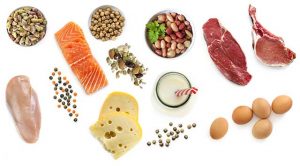
Examples of high-protein foods
Sprinkle them on salads, in smoothies, or on top of veggies, Sussi suggests. Just a handful of pumpkin seeds serves up a big dose of protein. Notably, zinc is difficult to get on a plant-based diet, and it plays a pivotal role in the immune system. Brussels sprouts boast 4 grams of protein and 4 grams of fiber per serving.
Introduction to Plant-Based Proteins
One cooked cup of quinoa offers 8 grams of protein, 5 grams of fiber, and a generous helping of essential minerals. Quinoa is one of the few plant-based complete proteins, meaning it contains all nine essential amino acids your body needs. Meat has its place in your diet, but it shouldn’t be a primary focus as the majority of North Americans eat more meat than they need.